


The road ahead: The challenges EVs face between innovation and adoption.
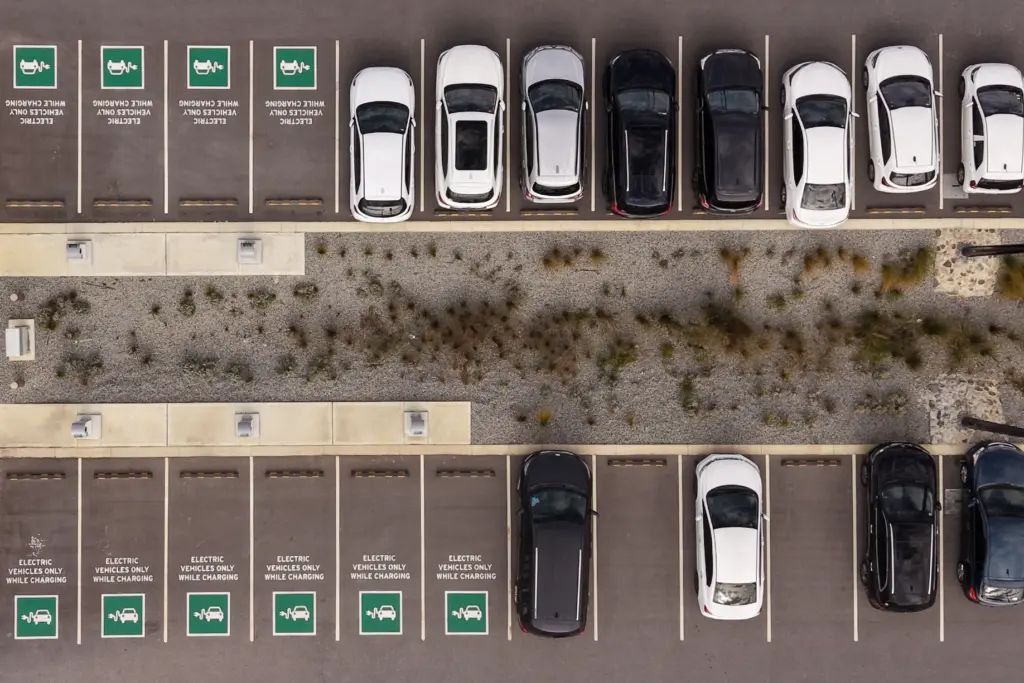
As B2B brands transition their fleets to EVs and alternative fuels, and shiny B2C automotive marques continue to integrate EV marketing strategies into their brand architecture, it’s clear that this is not a wholesale adoption shift. Instead, it’s a gradual transition – and it’s not the smoothest one.
Like any innovation, battery and fuel cell-powered EVs need the momentum and potential to ‘cross the chasm’ (thanks again, Geoffrey Moore) from innovators and early adopters to the mainstream. But, of the many factors that cause innovations to fall into this chasm, EVs – as a high-cost, high-involvement, high-risk prospect – also have to cope with prevailing headwinds in the form of resistance barriers to wider adoption.
Innovation alone isn’t enough to overcome these roadblocks – first, we need to understand them and see how battery and EV manufacturers can find a better path.
The uncertainty principle.
At the core, the overarching limiting factor on accelerating adoption in EVs is one of understanding.
Innovation can come from anywhere, of course – but technological innovation is most often a product of engineering. And engineers – technical geniuses that they are – tend to focus on features over benefits. And so part of the job of a B2B marketing partner such as ourselves is turning in-depth information into clear, compelling communication. Because, if the communication is unclear, uncertainty creeps in…
Uncertainty is, right next to gravity, one of the fundamental forces at work in the universe – and one of the major decision (or indecision) drivers for, say, fleet managers looking to undertake an EV transition.
Range anxiety, depreciation worries, load impacts, equipment reliability, support coverage, charging options, end-of-service planning: every one of these is a source of EV uncertainty. So, it’s the task of brands themselves to answer these concerns, create certainty and clearly express the benefits.
And then there’s the omnipresent uncertainty of cost. Battery tech and EV applications are, it’s safe to say, expensive. Even beyond the initial investment, in an ongoing energy crisis, customers may well ask what the financial benefits-to-cost trade-off of an EV switch is. Which is why brands – particularly in B2B markets – need to be clear in testing, proving and communicating the whole-life total costs of ownership, making a tangible commercial case to bring certainty where it’s needed most.
Understanding this relationship between clarity and certainty is a key way to break down some of the psychological roadblocks standing in the way of wider EV adoption. But then, there are more, shall we say, concrete factors…
Infrastructure and inertia.
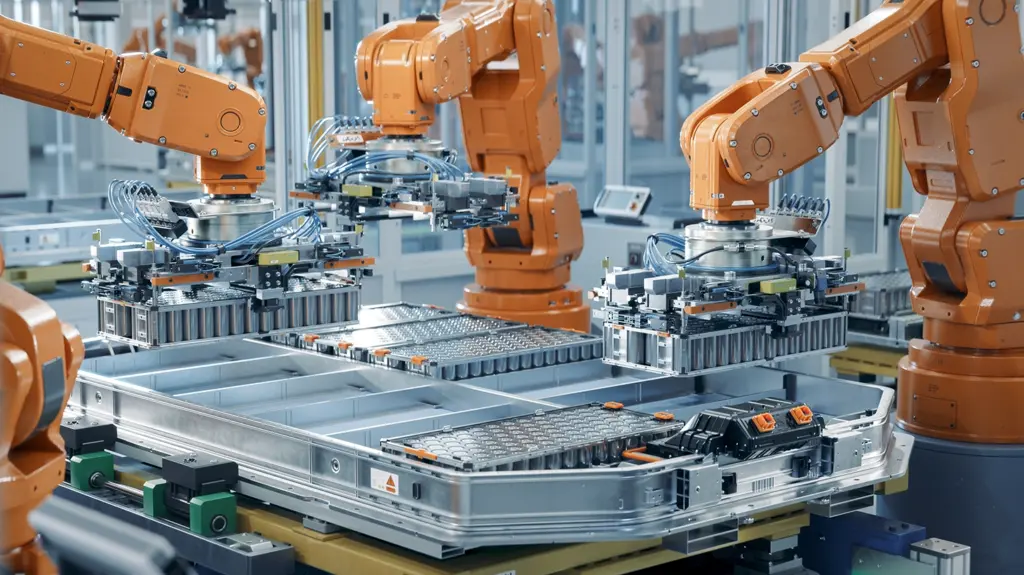
In B2C media circles, much has been made of the troubles EVs face even in the basic environments they operate in. On-highway, the increased weight of these vehicles places stress on roads and infrastructure. Off-highway – say, in mining, for example – there are limited charging opportunities, so planning around battery capacity becomes almost a specialist role in itself. Meanwhile, the wider lack of consistency or perceived lack of widespread availability of charging points hinders the route from innovation to adoption. And then there’s the load placed on the energy grid itself.
This brings us neatly to a higher-level roadblock: the changing scope of net-zero carbon ambitions. Targets fluctuate, deadlines are delayed, feasibility studies disagree, different political priorities and debates take precedence over what should be (we think, anyway) a fixed objective. This all contributes to a legislative malaise; again, bringing uncertainty to what’s needed by when – and it all combines to slow the rate of adoption.
Industries, particularly those in the B2B sphere, naturally have their own inertia. Some are slow to change, others quick, but the tendency for all is to avoid doing things differently and thus avoid rocking the boat. Innovation is incremental – EVs themselves, for example. Once a major one happens, other, smaller innovations need to push it along, to support it on the pathway to mainstream adoption. The question is, are manufacturers, both B2B and of consumer marques, doing enough to build this innovation ecosystem? Or are they relying on sustainability targets and fuel cost drivers to ‘pull’ demand for a standalone EV offer?
Powering innovation towards adoption.
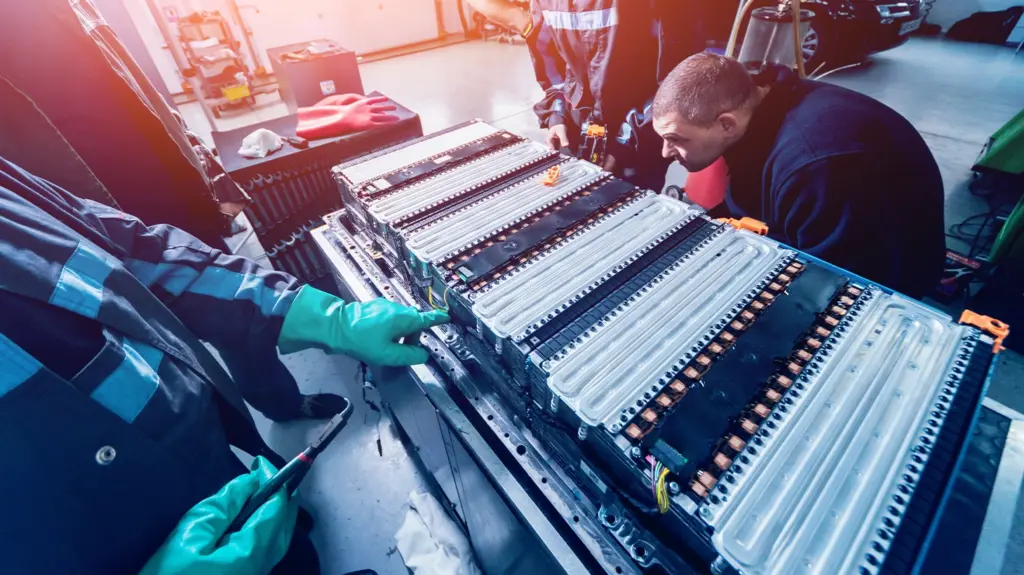
As complementary technologies, the same rules of crossing the chasm apply to battery manufacturers as EV manufacturers in jumping from early adoption to mainstream: reducing risk, and offering a stable product or platform, supported by a compatible ecosystem. Outside the EV sector, this is what we’re seeing with our own clients – such as EGO, focusing on seamless compatibility in the battery-charging ecosystem, that reduces time, effort and risk as a complete platform.
Electric vehicle manufacturers, now that EV technology is established, need to exercise caution in racing towards the next big leap – instead, they need to focus on establishing a supporting, compatible base that will work to reduce uncertainty and cement a better infrastructure around their range. And, while those genius engineers do this, their brands and marketing strategies need to focus on messages not necessarily about innovation, but about clear benefits, cost advantages and reassurance. This is what matters to the mainstream. It’s how technologies cross the ever-present chasm. And it’s how we can start accelerating again towards a cleaner, more efficient world.
Facing a roadblock to customers adopting your EV or battery tech? Let’s clear the way towards adoption – book a meeting today.
Related blog posts.