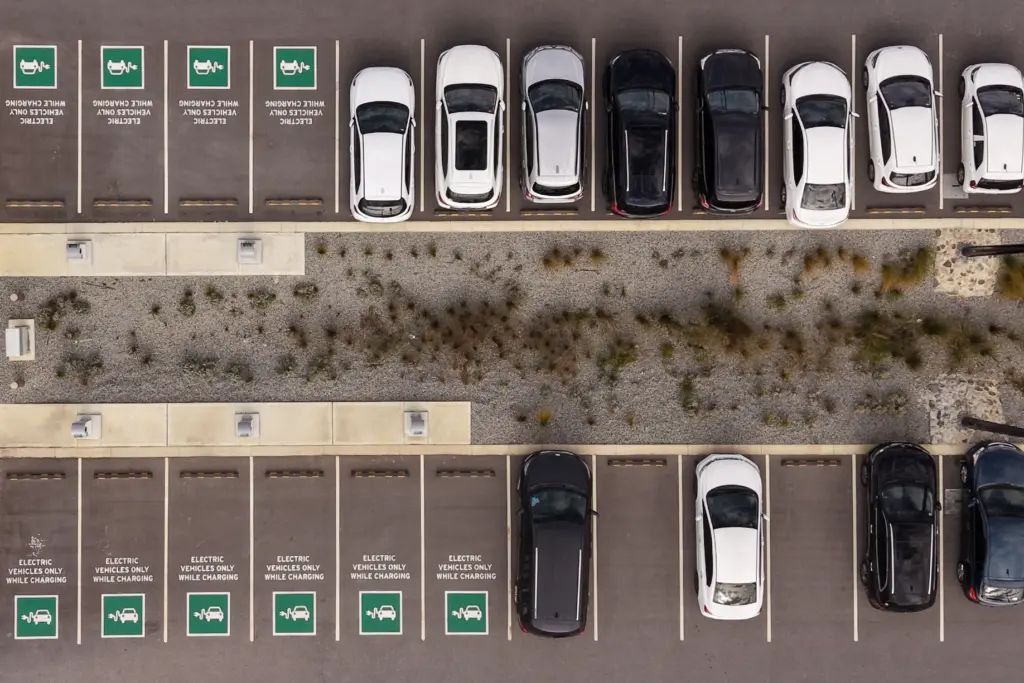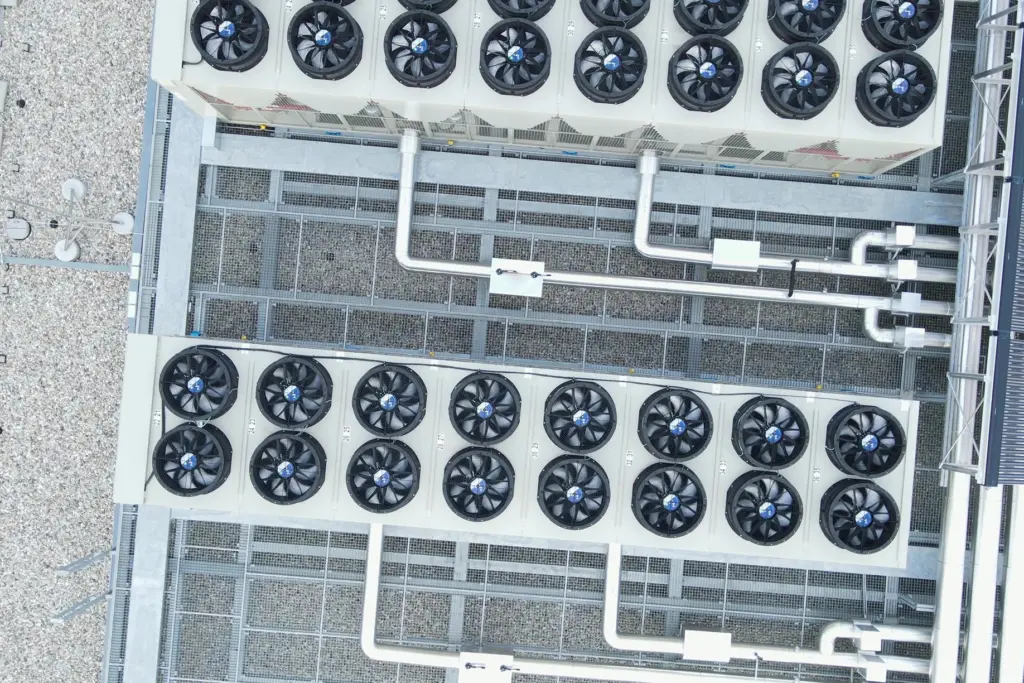


Battery storage is not just a net zero technology.

A battery, whether it’s sitting behind a factory’s meter or plugged into the national grid, is really a commercial instrument. It provides resilience, flexibility and cost control, which are three things that every business really cares about no matter what their opinion is on carbon and sustainability. So for anyone whose job it is to sell storage, that’s a very strong story to tell.
The narrative of storage was always told alongside renewables, and so its story was told in the language of decarbonisation, such as soaking up surplus solar, smoothing the uncertainty of wind and enabling the long journey to net-zero. That’s great for policymakers, but it’s actually quite commercially stifling.
Pitched as a sustainability choice, a battery looks like a nice-to-have, values-driven purchase – exactly the kind of spend that’s first in line to be dropped when budgets tighten or climate slides down the boardroom agenda. Yet the core usefulness of a battery energy storage system has nothing to do with whether anyone in the room cares about emissions.
Strip away the green framing completely and what remains is that a battery is a controllable store of energy that can be deployed at precisely the moment it’s most valuable. That capability is highly commercial.
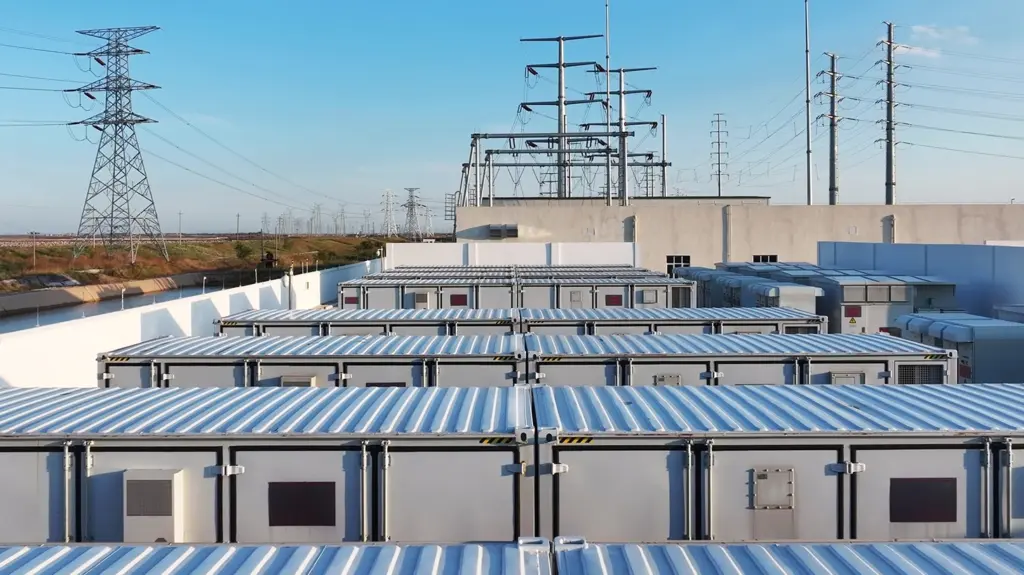
The commercial benefits of batteries.
Let’s take a look at the two biggest commercial benefits, neither of which need to talk about emissions.
The first is resilience. A battery is actually insurance as it acts as protection against outages, brownouts and the kind of grid instability that is becoming more common. When supply falters, stored power keeps the lights on, the production line moving and the servers running. For an operation where downtime is measured in thousands per minute such as a data centre, a cold store, a manufacturing line or a hospital – that sort of continuity is critical.
The second benefit is cost control, and it sits at the heart of any serious energy storage strategy. Under time-of-use pricing and demand charges, when you draw power matters almost as much as how much of it you take. A battery lets a business charge when electricity is cheap and discharge when it’s expensive, shaving the costly peaks off its load profile and flattening its exposure to volatile wholesale prices.
Falling system costs have brought payback periods on commercial installations down to just a few years, turning what was once framed as a long-term green gesture into a near-term financial decision. Added to this, capturing this value is increasingly automated. The energy management software now bundled with commercial systems reads live pricing and demand signals and decides, moment by moment, when to charge, hold or discharge to minimise spend. This means the owner doesn’t have to think about it as the asset optimises itself. For a finance director, that reframes storage completely from an environmental item into a practical tool for protected uptime and more predictable, lower energy bills.
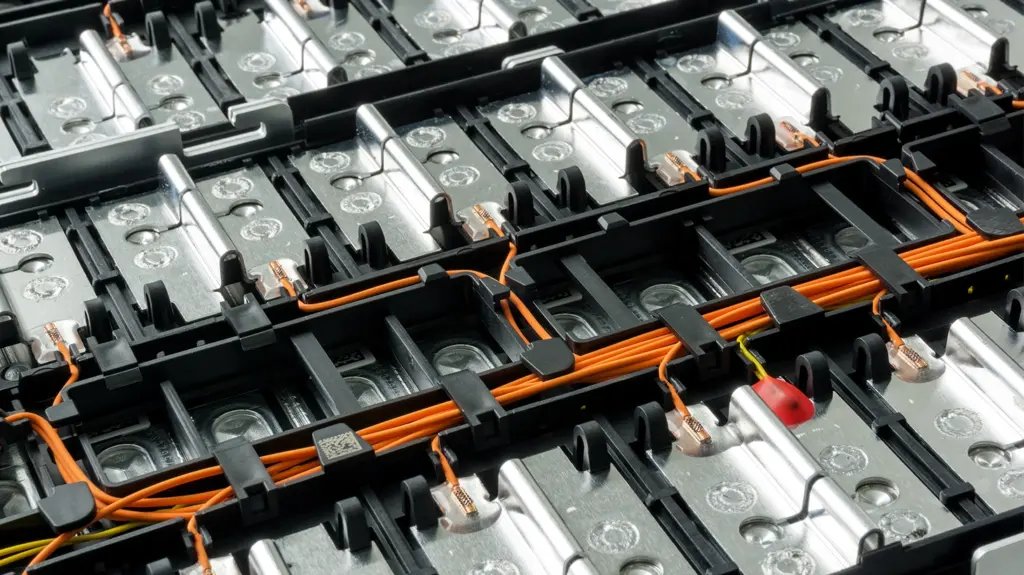
Batteries can actually make money.
The third benefit of batteries is the one most often overlooked. A battery doesn’t only save money, it can make it. A well-run storage asset earns by stacking revenue across several streams at once – providing fast response and balancing services to the grid, bidding into the capacity market, and making the most of the wholesale price by buying low and selling high. Demand-response programmes pay businesses to lean on stored power at moments of grid stress instead of stopping their operations, so the facility earns while the grid stabilises.
None of this is hypothetical – it’s how modern storage projects are actually justified to the people who fund them. The real brilliance lies in doing several of these things at once and using a single asset to shave a site’s demand charges by day, and selling balancing services to the grid, and capturing energy overnight. Clever software moves between the competing claims on its capacity to maximise the total return. Co-locating storage with on-site generation enriches the case even more. What used to be just about the cost of being green, is now infrastructure that pays for itself. That is a fundamentally different conversation to be having with an investor or a board, and a far more productive one.
Selling the commercial proof of batteries.
All of this points to a clear change in how storage should be sold, by moving away from claims to commercial proof. Battery storage marketing that leads only with sustainability is really missing out (and often has to negotiate the counterargument for where they source their materials). The story now is that batteries cut your peak demand charges by a third, keeps you running through the next outage, and earns a return through grid services. Such a narrative is provable, specific and rooted firmly in the buyer’s own commercial reality. The most effective approach speaks directly to what the buyer worries about everyday such as continuity, predictability, cost and return.
Of course, you don’t need to remove the sustainability story altogether. But it does mean moving it from a lead to supporting role, where it strengthens the case without being asked to carry it alone.
Final thoughts.
To wrap up, it’s the brands that reframe storage as commercial infrastructure, and then back that up their story with hard, verifiable numbers that will reach a far broader market. Net-zero opens some doors, but commercial proof can walk through nearly all of them.
Let’s talk about how to position your storage offer on commercial proof resilience, flexibility and cost control.