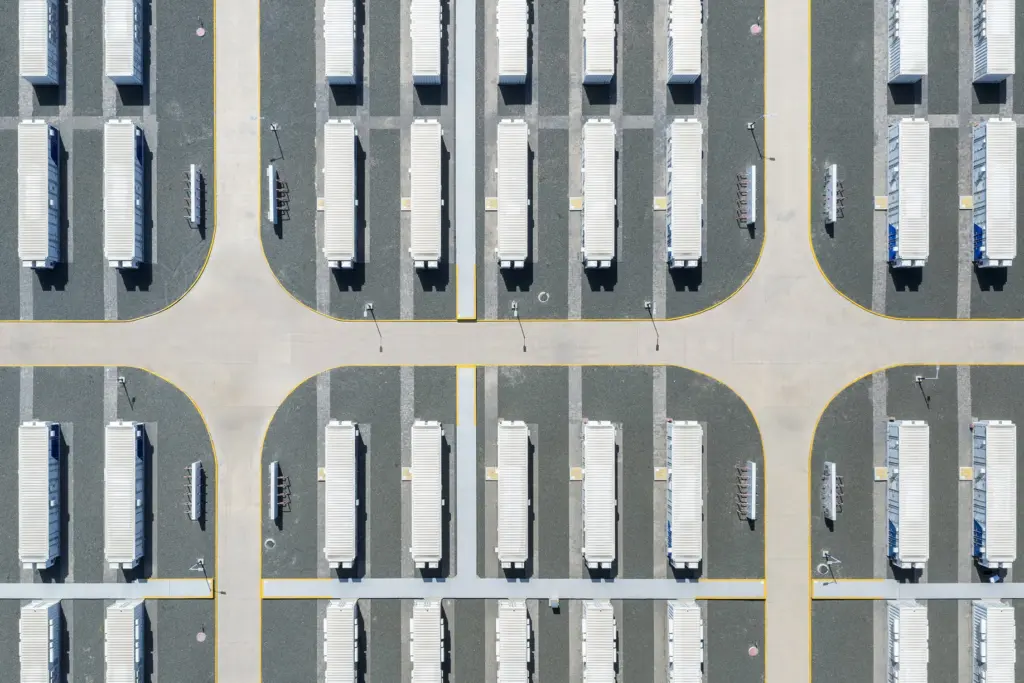


AI is a physical infrastructure challenge.
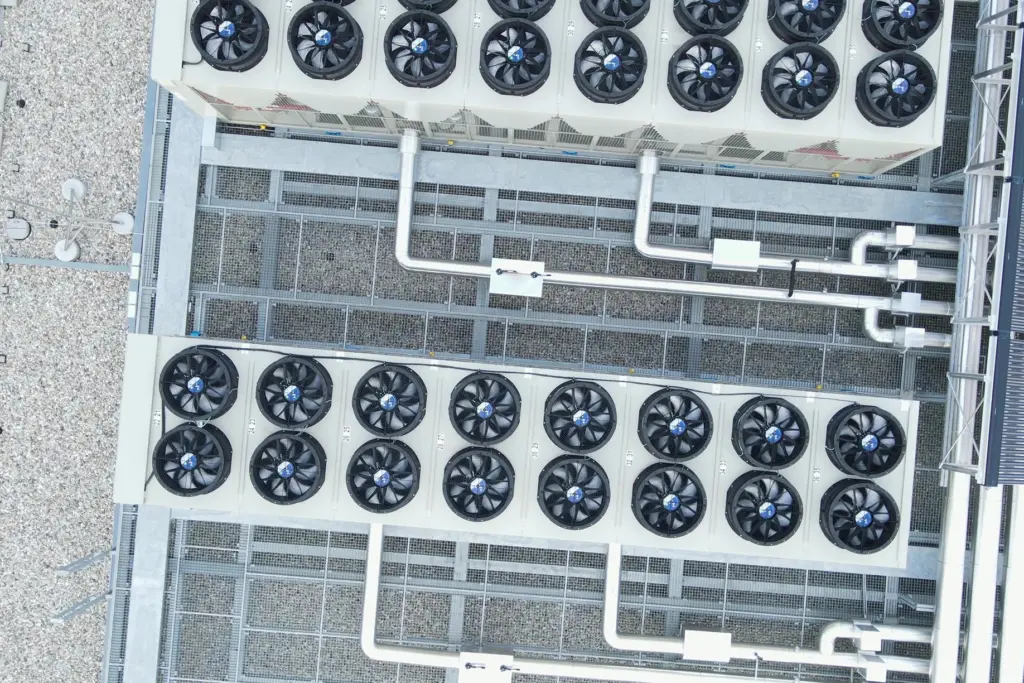
Let’s start with the big one, which is power. AI is incredibly hungry for electricity, and the numbers are staggering. Global electricity use by data centres grew by around 17% in 2025, and the AI-focused ones grew far faster than that, jumping by roughly half in a single year.
When you combine them all, the world’s data centres are heading towards using as much power as a fair-sized country. In fact, based on some estimates, if you lined them up as a nation, they’d be the fifth-largest electricity user on the planet, sitting somewhere between Japan and Russia. A single large AI training site can need anywhere from 100 to 1,000 megawatts of power, which is the sort of demand you’d expect from tens or even hundreds of thousands of homes. The catch is that you can’t just magically turn on that sort of electricity.
Getting it to where it’s needed means grid connections, new power lines and fresh generation, and all of those take years of planning and building. In some places, the grid has already become the thing holding AI back, rather than the chips. To put it simply, by 2030 data centres in the United States could be consuming as much as a tenth of the country’s entire electricity supply.
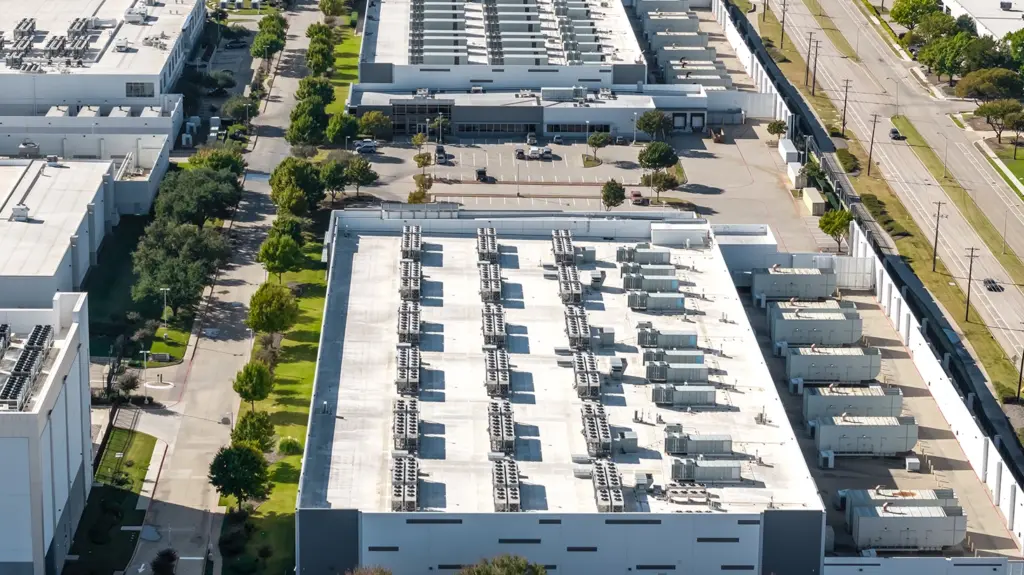
Building the infrastructure AI needs.
We’ve moved on from tidy rows of servers in a back room to what are essentially industrial plants that turn electricity and data into intelligence: enormous AI campuses, some of them approaching a gigawatt in size.
The machines inside, the GPUs doing the real heavy lifting, are now packed together far more tightly and run far hotter than anything that came before. And that brings the second great physical headache, which is heat.
The reality is that you can throw a fortune at building AI, but if you can’t cool the hardware, none of it actually runs. Traditional air cooling just can’t cope with the densest AI racks anymore, so the industry is shifting towards liquid cooling, piping coolant right up close to the chips themselves. It’s no longer treated as a fancy extra for special cases; for the most powerful AI setups, it’s becoming a basic requirement, and the newest racks are throwing off more heat than a kitchen full of ovens.
The clever cooling approaches now being implemented can cut the energy spent on cooling by half or more, which matters a great deal when power is the very thing in short supply. Liquid cooling, however, raises its own questions, especially the water-hungry sort. In one year, data centres in the US got through tens of billions of litres of water to keep cool, roughly what a city the size of San Francisco uses with 800,000+ residents and associated services. This is exactly why so much effort is now going into closed-loop systems that only use small amounts of water. And also using clever ideas like capturing the waste heat and putting it to use nearby in local towns.
Aside from the power and cooling requirements, the buildings themselves are being put up differently as well, with more of them assembled from parts made in factories to get them finished faster, because demand is running well ahead of the time it takes to build.
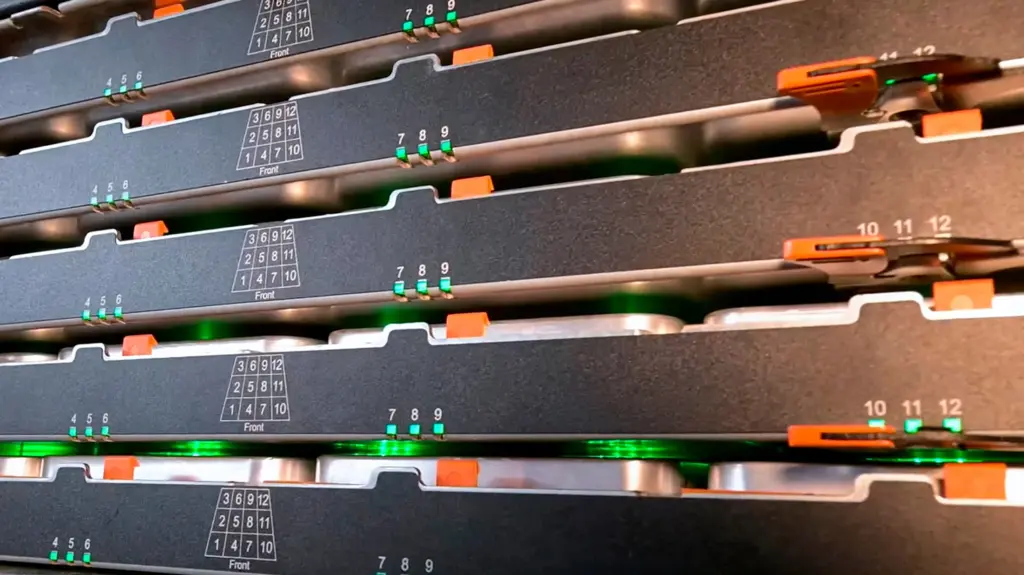
Bringing AI to life in the physical world.
Power and cooling tend to grab the attention, but two more physical pieces matter just as much. The first is connectivity as AI doesn’t happen inside a single box. To train a big model means wiring tens of thousands of chips together so they can work as one, and when you do that, the distance between them and the speed of the links really matter, all of it riding on dedicated fibre.
It’s worth knowing that AI actually leans on the network in two quite different ways.
Training a model is one part of it, with all those chips bundled tightly together and talking to each other constantly. Using the finished model afterwards, answering everyone’s questions day to day, is another job entirely, spread out and judged on how quickly and reliably it responds. Each makes its own demands on how a site is wired and laid out, and a building has to be designed with both in mind. Getting that right, shapes how an entire facility comes together.
The second is resilience and keeping the whole thing running. These systems need backup power, sensible redundancy and increasingly serious security, because as AI gets woven into more and more of everyday life, an outage or a break-in starts to become a real problem.
Building AI’s future.
For all the talk of models and breakthroughs and software advancements, the thing that will really decide how far and how fast AI goes is actually physical. Can we build the power, the buildings, the cooling, the cables and the resilience quickly enough to keep up?
As the International Energy Agency put it, the speed of the AI revolution is increasingly bumping up against the speed of the physical systems underneath it. This is great news for anyone who builds, powers, cools or connects the real world, because they aren’t standing on the side-lines of the AI story. They’re right at the heart of it and making it a reality.
The brands that understand this, and that tell their story as part of the AI buildout are the ones who’ll be taken seriously. AI might be the headline, but the foundations it’s all built on are where the real work and the real opportunity actually lives.
Let’s talk about how to successfully position your brand as an integral part of the AI story.