

Building with innovation
in construction and housing.

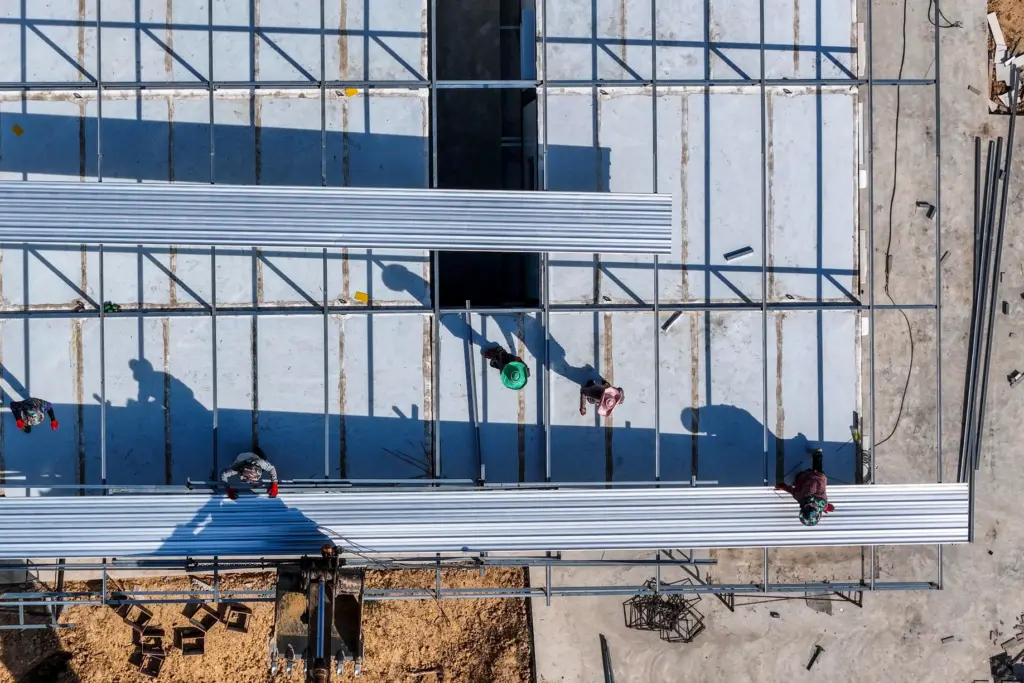
Forces reshaping innovative construction and housing.
How we’ll help your construction and housing brand grow.
Strategy and positioning.
- Help you get specified earlier and more often
- Content and campaigns to target specifiers and influencers
- Tools to support early-stage decision-making
- Building visibility across key project touchpoints
Brand and messaging.
- Ensure complex products are easier to understand
- Create messaging frameworks for architects, engineers and buyers
- Translate technical performance into real-world benefits
- Align product, sustainability and compliance narratives
Content and demand generation.
- Help you get specified earlier and more often
- Content and campaigns to target specifiers and influencers
- Tools to support early-stage decision-making
- Building visibility across key project touchpoints
Find your difference.
- Moving you beyond price and product parity
- Position you around performance, sustainability and innovation
- Create distinctive narratives in crowded categories
- Helping your brand stand out in competitive tenders and projects
Content & thought leadership.
- Insight-led content aligned to industry challenges (net zero, housing, infrastructure)
- Sector-specific content hubs and long-form assets
- Support your visibility across search and industry channels
Digital and performance.
- Brand visibility and effectiveness across the buying journey
- SEO for construction and build sectors
- Campaigns to target specifiers, contractors and buyers
- Website optimisation for complex product portfolios
Explore industry insights.
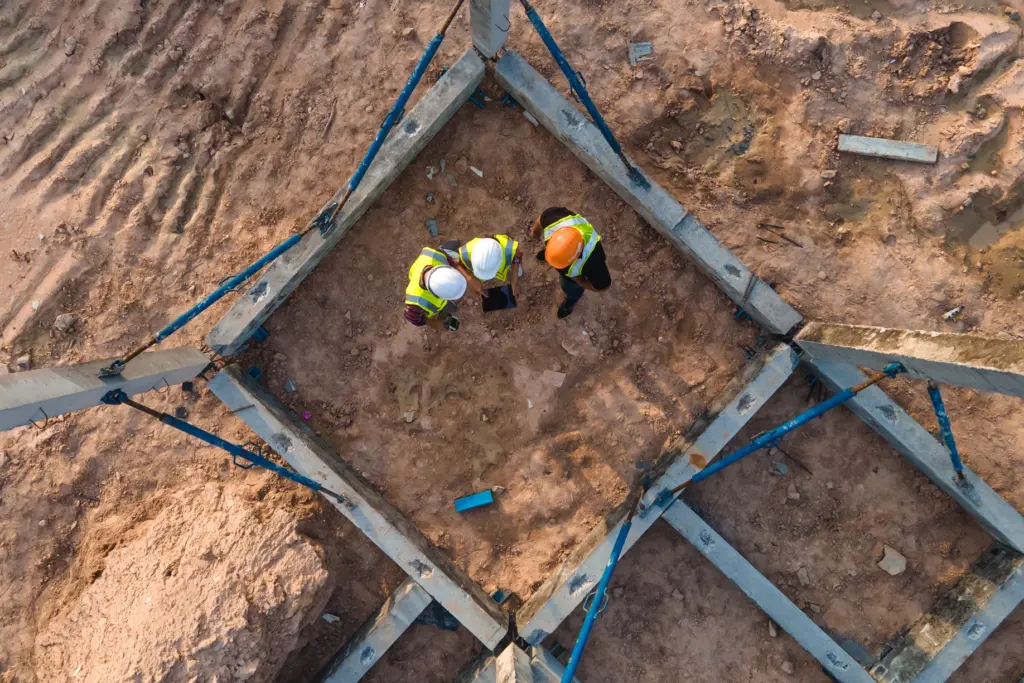
Future of construction innovation.

Decarbonising the built environment.
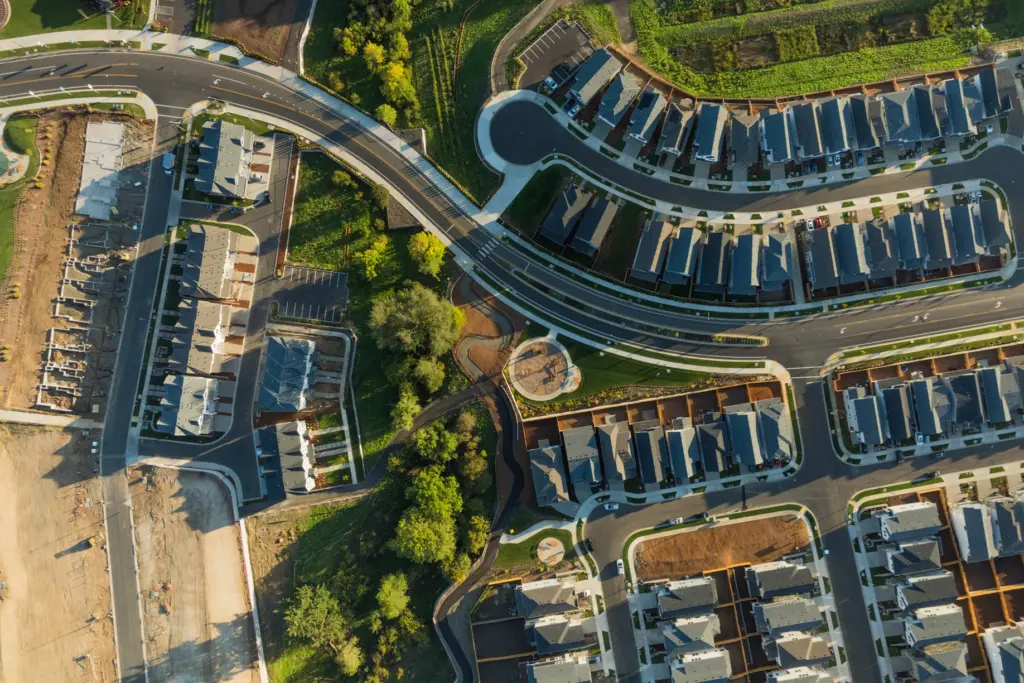
Future of housing.
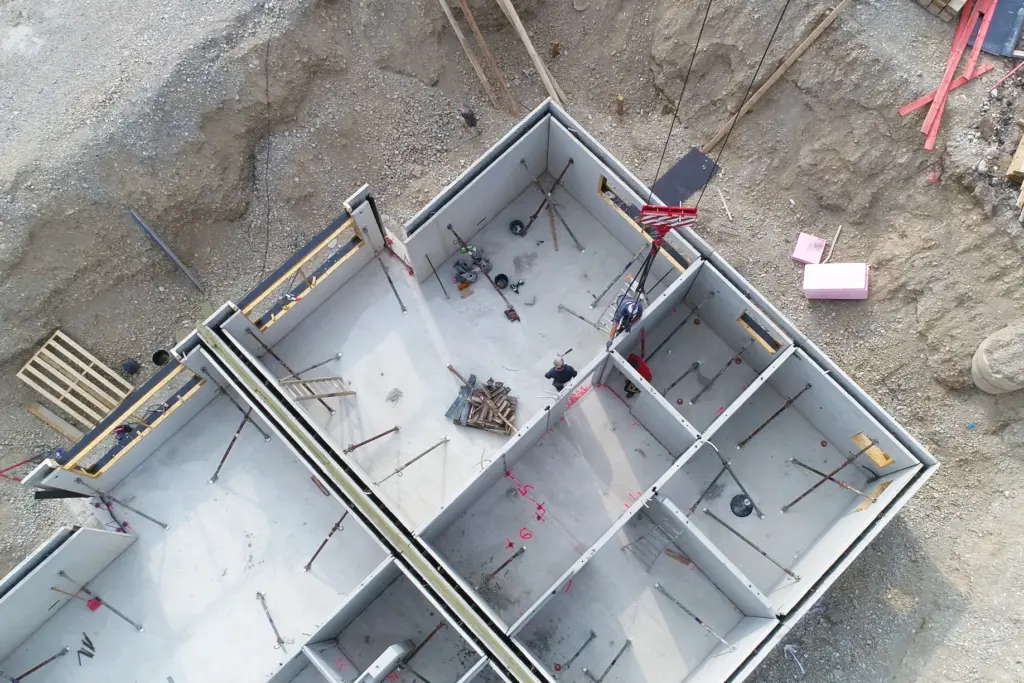
Modern methods of construction.
Related content.

FAQs
This refers to innovative building techniques that move much of the construction process away from traditional on-site work into more controlled, efficient environments. For example, it would typically involve manufacturing components, or even entire sections of a building offsite, then transporting and assembling them onsite. This improves quality, reduces waste, shortens build times, and increases safety.
Construction is responsible for a large share of global carbon emissions, both from the energy used to run buildings and the materials and processes used to build them. Reducing these emissions is essential to meeting national and international sustainability commitments. Decarbonisation also helps organisations lower long-term operating costs thanks to improved energy efficiency, whilst also reducing the exposure to future regulations.
Technology is making construction projects more efficient, predictable, and data-driven. Digital tools such as Building Information Modelling (BIM), real-time data platforms, and advanced planning software are improving collaboration, reducing errors, and giving teams greater visibility and control across the entire project lifecycle. Technology also creates a more modern, scalable approach to construction that can better meet the demands of a complex and rapidly evolving industry.