

Powering society’s need for energy, AI and data infrastructure.
Forces reshaping energy and infrastructure.
How we’ll help your energy and infrastructure brand grow.
Strategy and positioning.
- Market positioning in converging sectors (energy, AI, infrastructure)
- Category definition and narrative development
- Value proposition clarity for complex, technical offers
Brand and messaging.
- Brand strategy and architecture
- Messaging frameworks for multiple audiences
- Translating technical capability into commercial value
Content & thought leadership.
- Insight-led content strategy
- Power sector content hubs
- Sector whitepapers, reports and long-form assets
Campaigns & activation.
- Integrated marketing campaigns
- Product and proposition launches
- Multi-channel activation across digital and industry platforms
Digital & performance.
- SEO and search strategy in technical sectors
- Paid media and demand generation
- Website optimisation and conversion
Deep sector expertise.
- Deep expertise in energy and infrastructure sectors
- Proven to tell complex, regulated stories in a compelling way
- Ability to bridge technical and commercial audiences
Explore fresh industry insights.
The future of energy infrastructure.
The infrastructure behind the AI revolution.
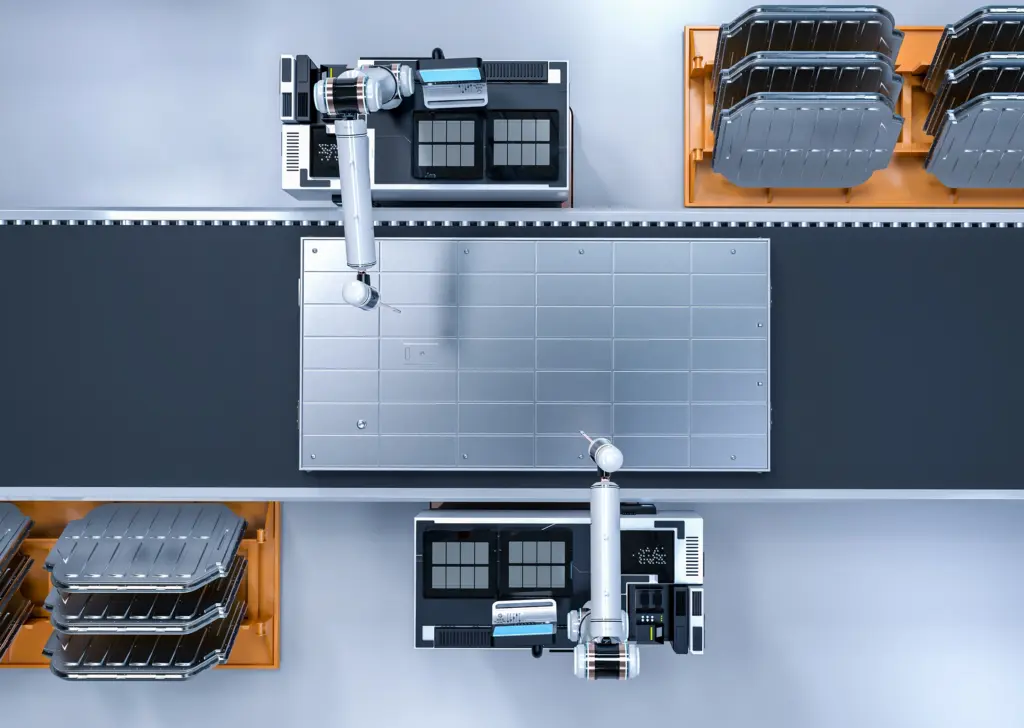
Battery as the alternative power source.
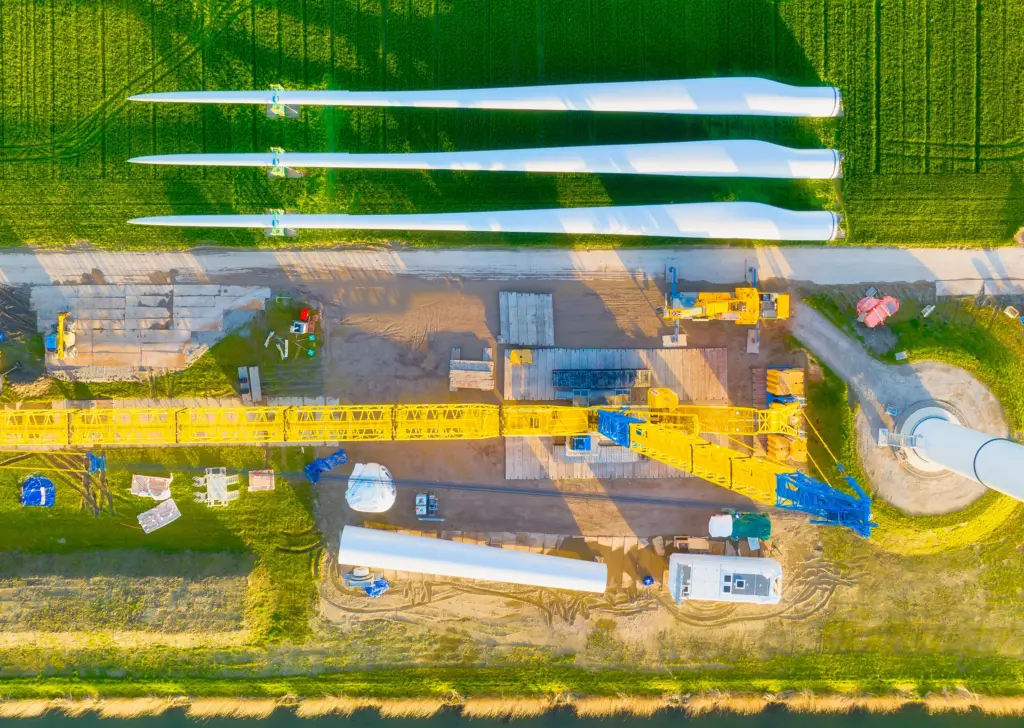
Battery storage and the energy transition.

FAQs
Energy infrastructure refers to the systems that generate, transmit, store, and distribute energy to end users. This includes traditional routes such as power stations and electricity grids, as well as newer technologies like renewable energy installations, battery storage, and smart grid systems.
Energy infrastructure is changing because the system it was built for doesn’t fit the current energy reality.
The demand for energy continues to rise and become ever more complex, driven by electrification and the incredible growth of data centres and AI. At the same time, energy supply is shifting from centralised fossil fuels to more variable renewable sources, which means there’s a far greater flexibility needed in how power is balanced and delivered.
All these reasons combined are transforming energy infrastructure into a more distributed, intelligent, and responsive network.
AI and data centres are becoming a major and fast-growing source of global electricity demand.
Data centres already account for around 1% to 2% of global electricity use, but this is rising quickly as AI workloads increase. Training and running large AI models needs high-density computing power, with hyperscale facilities consuming as much energy as small towns.
Electricity demand from data centres, AI, and cryptocurrency could double by 2026, with AI as the fastest-growing driver. This is leading to a continuous demand that’s putting increasing pressure on local grids and energy infrastructure planning.