


The waiting is over: Mapping the new normal for global supply chains.
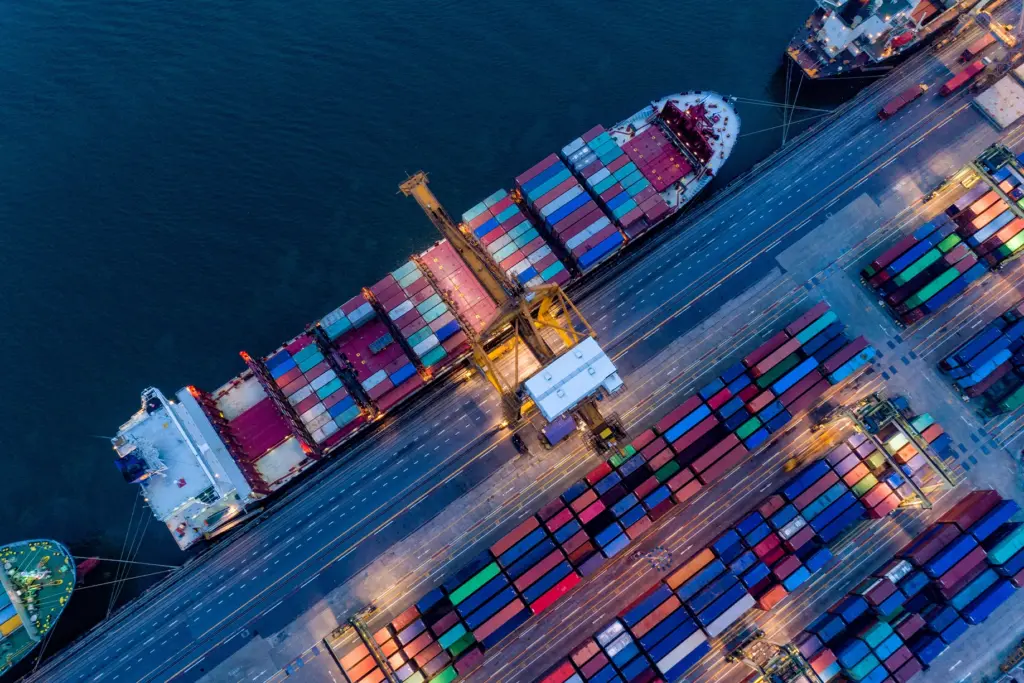
Financial uncertainty. Resource and material shortages. Geopolitical upheaval and conflict. A full-blown pandemic. Crisis after crisis have taken their toll on the world’s industrial supply chains – and, for manufacturers, it’s been a waiting game for a return to normal operating conditions. But what if that normality never comes?
It’s looking more and more likely that the only certainty in the world’s supply chains is, ironically, that things will continue to be disrupted. This is the new operating environment for manufacturers – and it demands a new approach to supply chain management. An approach that goes beyond treating each disruption and each crisis as an isolated incident, behaving reactively and, effectively, waiting it out – and instead, designing resilience into everyday operations.
Safeguarding supply through strategic investments.
Resilience is now a necessity for riding the waves of disruption throughout global supply chains. But it can also be a source of commercial and competitive advantage – helping manufacturers protect margins, manage expectations, grow customer confidence, and enhance the stability and predictability of a given operation.
Securing this advantage means investing in the right ways across the supply chain, starting with emphasising adaptability and robustness over cost-first efficiency. This might seem a self-explanatory shift, but it does mean overcoming years of inertia, where price-led procurement approaches were the dominant thinking pattern. And, going outside the B2B sphere for a rather extreme example, how did that work out for KFC that time it ran out of chicken? We’ll let you rearrange the letters…
While we’re moving away from pure-play price focus, it’s also worth strengthening supplier ecosystems – building redundancy and resilience into your supply chain, so much so that it starts to resemble a supply net. Which is not a bad way to approach logistics – efficiency is all well and good, and just-in-time supply chains are the ideal, but guaranteed availability and capability are essential.
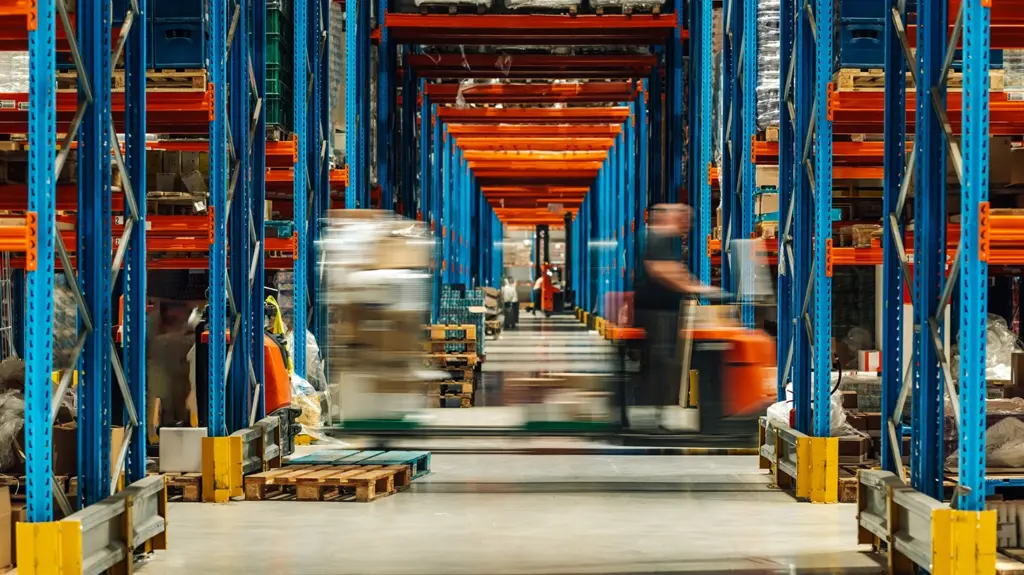
We’re also seeing a shift in how businesses treat their logistics and warehousing function itself. Traditionally, these were back-office concerns; a cost centre that was a necessity rather than a source of value. Now, however, they’re becoming strategic assets. Locations, access, responsiveness and technology all come into play as manufacturers invest in best-in-class facilities that keep their products moving.
And, finally, sticking with that point on technology, data is – as it ever was – vital to making all the pieces fall into place, when and where they need to be. Smart use of tech and data means complete supply chain transparency and visibility, speeding responsiveness and reducing the risk of loss or delay. Given the rapidly changing nature of geopolitics right now, real-time monitoring and communication are a cornerstone of the modern supply chain.
Making your investments pay.
As we said earlier, logistics needs to be seen as an asset, not a cost. And, as an asset, manufacturers need to make the most of it – not hiding it away, but promoting it as a core part of their brand’s strength.
While it’s true that manufacturers are beginning to embrace supply chain resilience, ensuring they’re better placed to manage disruption, risk and uncertainty, few are actively communicating this externally. But doing so will be essential to building customer confidence and growing as a business. Of all the factors that customers look for in a supply partner, reliability is by and large the most common factor. People need capability and competence. They need to know that what they want will be with them on time, every time, wherever in the world they are. And this market need should guide manufacturing marketing strategies, balancing messages of reliability and resilience with innovation and investment, showing that these brands are not just able to survive in an era of supply chain upheaval, but are positioned to lead the change to more effective ways of working in a world where crises are far from isolated – and far from rare.
Ultimately, a fragile supply chain is more than an operational weakness. It can fundamentally damage brands – as customer confidence and reputation erode, competitors will be all too ready to swoop in with their own stock availability and timely supply. This is why reliability, continuity and resilience are now critical parts of a brand’s market proposition; a point of differentiation that has a very real, very tangible impact on the bottom line. So the waiting ends here. In this new normal for our interconnected world, how you treat your supply chain makes all the difference.

How are your supply chain dynamics changing right now – and how can you find a better route to communicating the benefits of a different approach? Book a meeting today and let’s talk logistics.