


The future of housing is decarbonised but is it deliverable?
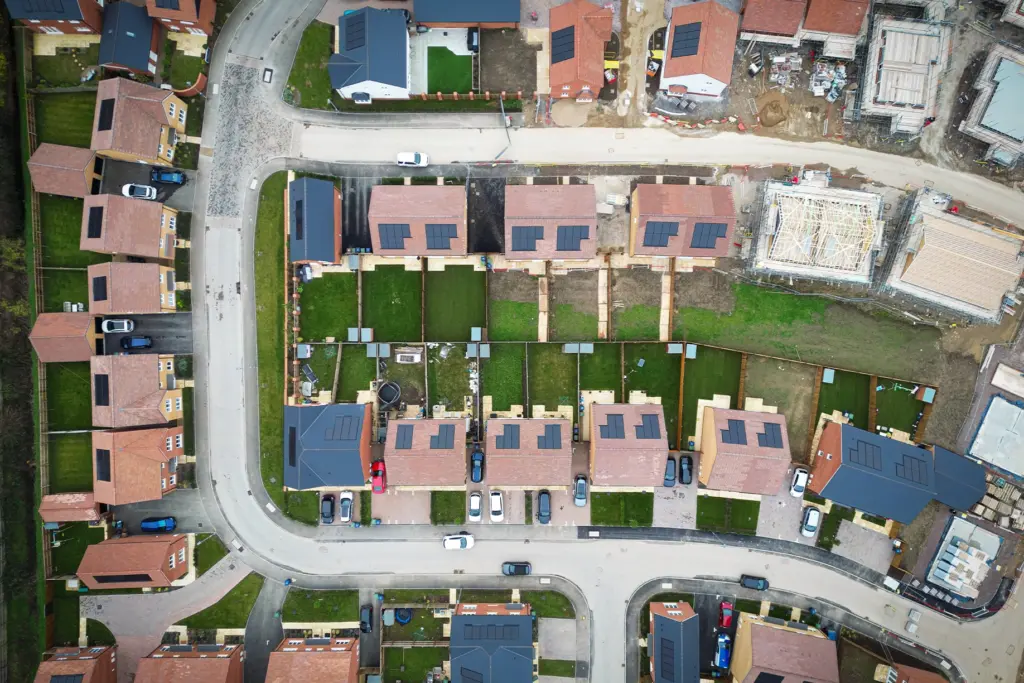
The ambition for delivering decarbonised housing is huge. The government has set out one of the most concrete sustainable housing strategies the UK has ever committed to: an end to the fossil-fuel heated new build. The Future Homes Standard has now been confirmed as part of the Warm Homes Plan and phasing in between 2026 and 2028. This will effectively end the fossil-fuel heated new build, making heat pumps and solar panels the default rather than the exception.
Added to all this is a long-term plan to warm the country’s homes more cleanly. The intent is incredibly impressive, and it reaches well beyond the next election cycle. If you were looking at the just the policy aspect, you’d think the hardest part was done. However, delivering on such a policy is falling behind the reality of it.
The first challenge is people
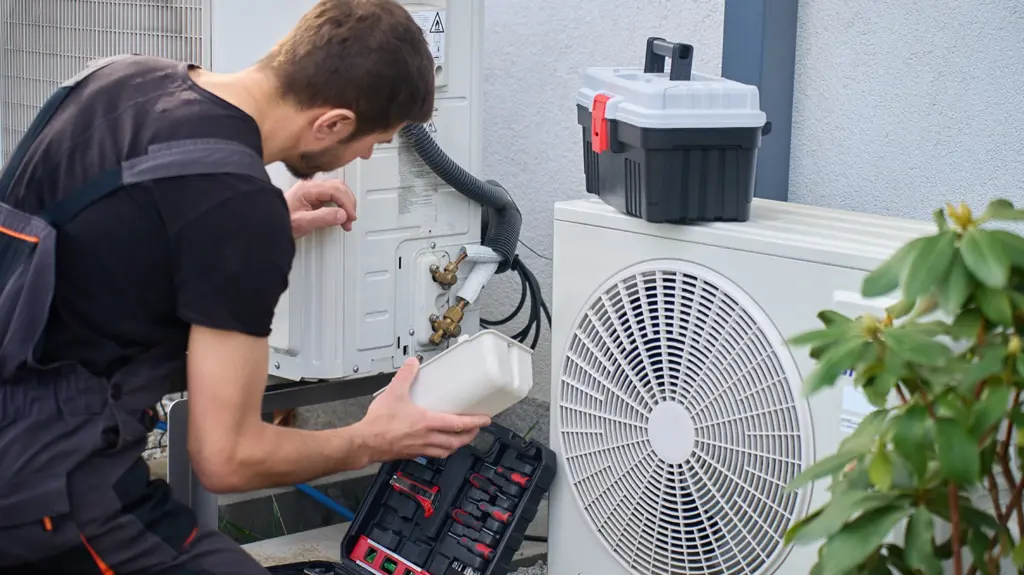
A key reason for this, isn’t just money or new policy, it’s actually people. After all, decarbonising homes, whether that’s fitting heat pumps, improving the core part of a building, or installing solar and storage, requires a skilled workforce that simply doesn’t yet exist at the scale needed. For example, the heat pump workforce stood at fewer than 5,000 full-time installers in 2023*, yet meeting the target of 600,000 installations a year by 2028 is estimated to require around 41,000 of them. This figure climbs to 122,000 by 2035. Today, only about half of the UK’s heating and ventilation installers regularly work on heat pumps at all, and that amount actually fell year-on-year. Added to this, the trades in the UK were built around gas and conventional heating, so to retrain them and bring in a new generation behind them takes a long time. It’s not an over-night quick fix. When you add in pressure on the electricity grid, the supply-chain, and the fact that new-build targets and the retrofit programme need the very same tradespeople, and the picture becomes clear. It’s a workforce and infrastructure challenge, both of which can move very slow indeed. Installers are reluctant to retrain until the work is guaranteed, while the work can’t increase until enough of them have retrained. A classic catch-22.
*https://mcsfoundation.org.uk/news/heat-pump-skills-competition-puts-uk-warm-homes-ambition-at-risk-warns-new-report/
The second challenge is stock
The stock problem is a real challenge too – the majority of the homes that will be standing decades from now have already been built. This means the future of housing isn’t just about what we put up next, but about renewing what’s already here. Upgrading millions of older, draughty, hard-to-treat homes is slow, disruptive and expensive. And because every home has a different age, construction and set of occupants, there’s no single fix you can roll out at scale – the genuine regeneration of our existing stock has to be approached as a connected system, not a string of one-off jobs. Yet this is the part of the challenge that will decide whether the sector actually hits its goals.
There’s something else too – the reality is that we’re moving away from encouragement and grants to regulation and minimum standards. For developers and housing providers, that actually changes everything. Decarbonisation is moving from a nice to have that to a baseline expectation that carries real risk if you ignore it. And that points to the new reality: it’s the organisations that take a systems approach and design for renewal early, rather than retrofitting expensive fixes later, that will find the transition to the new rules far more comfortable.
The commercial reality and value of decarbonisation
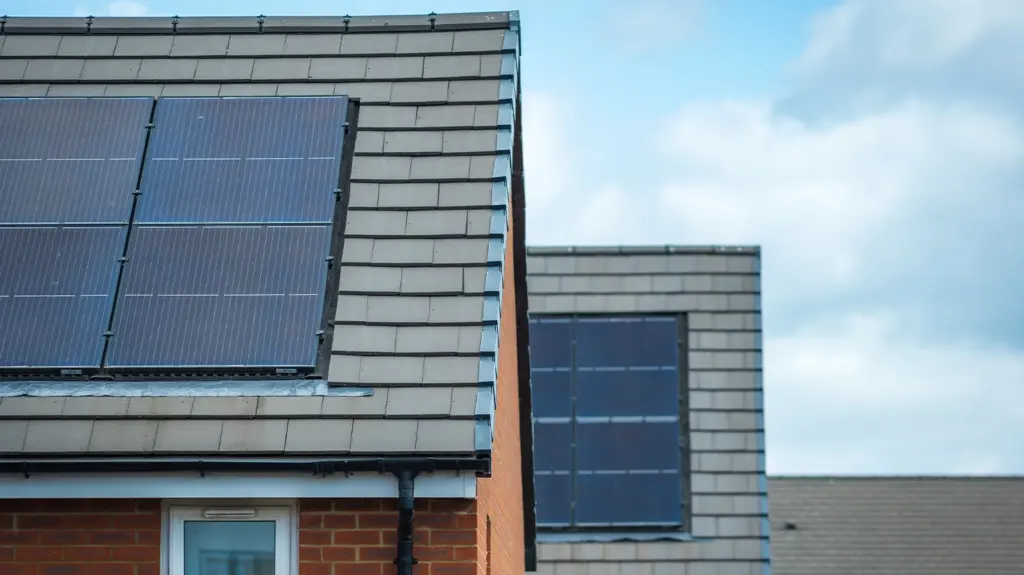
This brings us neatly up to the part that’s often left out of the conversation entirely: the commercial angle. Decarbonisation is not simply a cost to be absorbed. Done correctly, it’s a value driver as buyers increasingly care about how a home performs, what it costs to run, and how it’ll hold up over a lifetime, not just how it looks on a viewing. At its heart, this is about rethinking homes for longer lives and better futures for the communities that grow around them as they evolve. Treating them as places designed to support health, stability and growth, not simply to provide shelter.
But there’s a catch, and it’s a critical one for anyone working in housing development marketing.
Buyers are getting smarter, and more sceptical, and they’ve learned to spot a hollow green claim from a mile off. Touting ‘eco-friendly’ with nothing really behind it has gone from selling point to a bit of a red flag because buyers are wise to this. And so, the brands that succeed won’t be the ones making the boldest environmental promises; they’ll be the ones whose sustainability story is honest, specific and verifiable. It means talking about what a home actually does, how it’s built, how it performs, what it saves, how it keeps people warm, healthy and secure rather than just hoping that vague green language will do the job. It means being able to communicate the proof. It also has to be easy to find as people start their search online, asking keener questions than they used to, which makes clear, credible content a commercial asset rather than an afterthought.
So where does this leave us?
Is our conclusion that the future of housing deliverable? From our perspective, the answer is yes – but it’s not an easy road. The destination is achievable but getting there means working through skill shortages, supply-chain pressure, grid constraints and more. So yes, there are challenges, but if the industry gets it all right then decarbonisation will stop being a compliance headache and actually become a real point of difference with real commercial value.
Let’s talk at Housing 26 about how your brand story supports healthier homes, better outcomes and a low carbon future.
Related blog posts.