

Beyond net zero: What sustainable construction really means now.
Over the years we’ve been working in sustainable construction marketing, we’ve seen the accelerating pace of change first hand – from the initial glacial rate of adoption of net zero construction strategies to today’s fully embedded ESG propositions and active drive for change.
Throughout, there’s always been the risk of greenwashing. There’s always those who see ‘green building marketing’ as a catch-all phrase for getting their business onto more tender lists. But carbon reduction and net zero are not checkbox exercises, just as sustainability isn’t just something you just ‘plug in’ to your construction business. It needs to be embedded into the foundations on which we build our cities and spaces. And, from the materials we use to the methods we employ, it’s also threaded throughout the fabric and life of the buildings we create, today and tomorrow.
Advanced materials meet advancing methods.
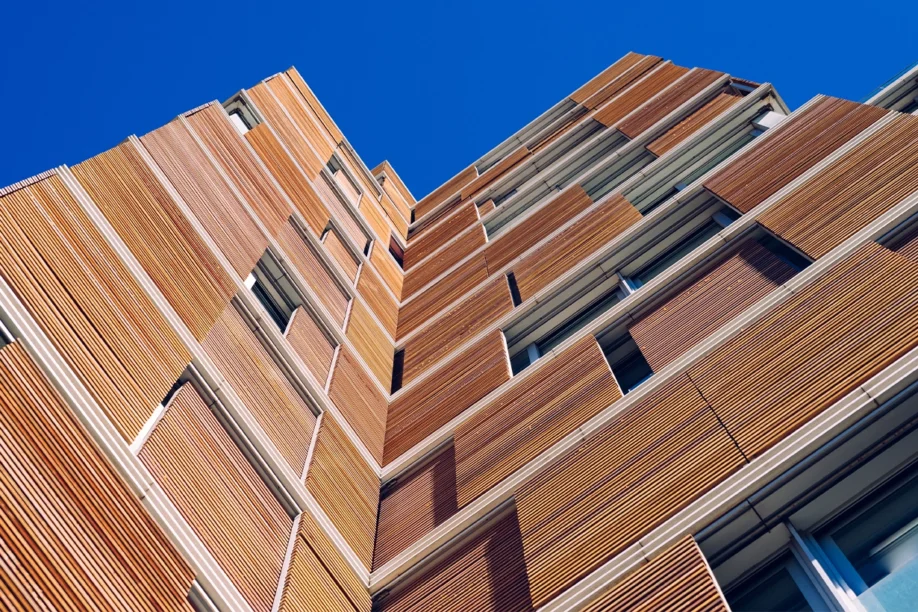
Ultimately, sustainability is something we do – not simply something we say. So, right from specification and planning stages, it needs to be at the forefront. The materials used and the manufacturers sourced from need to share a commitment not just to cutting carbon, but to minimising both raw material use and waste to landfill, and to responsible investment in the environment around us – physical and human.
There are so many construction materials manufacturers doing this right now. In fact, we work alongside some of them – from Cemex’s exploration of low-carbon cement, to Saint-Gobain brands British Gypsum and Isover delving into better ways of shaping and insulating the world’s interior spaces.
Running throughout these collaborations is the need for tangible, quantifiable proof. After all, when the Code for Construction Product Information (CCPI) aims to prevent unsubstantiated claims across everything from sustainability to product quality, we need to be clear about the proven performance our materials deliver. With this in mind, and backed by EPDs, when specified correctly and used responsibly, sustainable construction materials don’t come at a cost of quality or longevity; they support buildings that enhance comfort and wellbeing, while helping to reduce carbon and environmental impact.
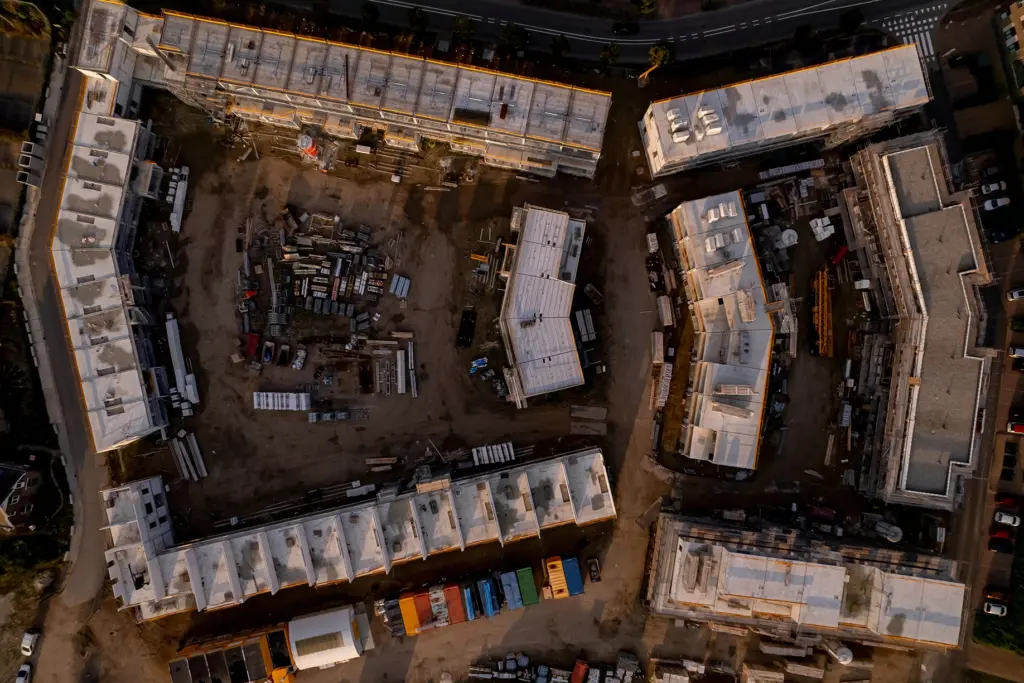
But we do need to stress the specification and installation part of this. Just because construction materials are being manufactured to be more sustainable than previous generations, we can’t disregard the need to be conscious of our means and methods. Whether that’s in the logistical realities of transporting goods to site, how we treat waste and recycling, even down to the everyday behaviours of contract teams throughout the project to minimise energy and water use – some Tier 1 contractors already have frameworks in place for matching sustainable practices with sustainable products. But ensuring these frameworks are followed, and that best practice spiderwebs out throughout the supply chain network, is a whole other challenge.

Improving supply means expanding scope.
A critical challenge in today’s construction projects is the uncertainty of supply. Lack of availability, spec breaking, cost competition and undercutting continue to be rife. So, a construction player with a core commitment to sustainability needs to rise above this and lead by example.
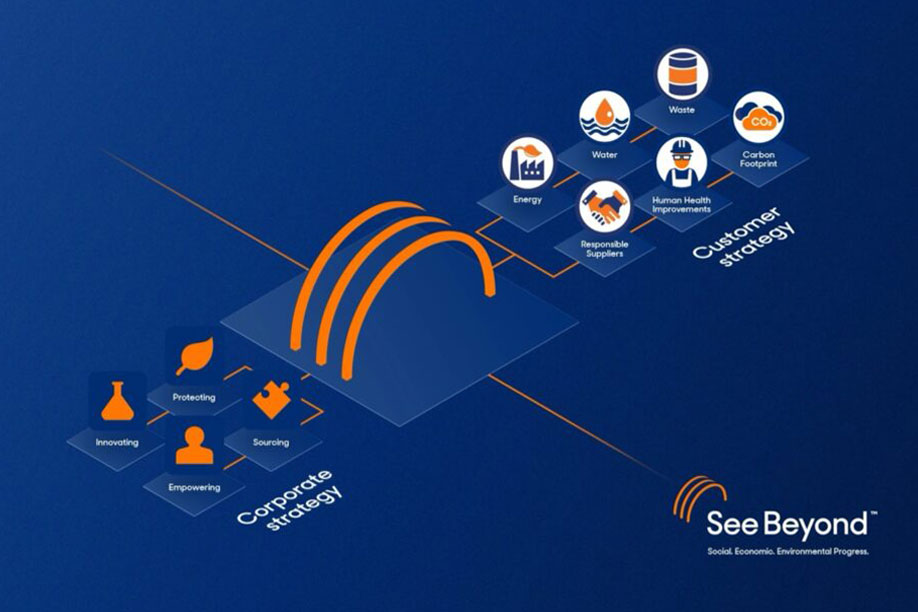
The most obvious and well documented means towards this are Scope 1, 2 and 3 emissions assessments: ensuring your business minimises not just the energy you use or purchase, but the energy use of your wider supply and value chain. This is, evidently, a major part in the drive towards a net-zero construction strategy. But just as important is assessing the wider ESG commitments and behaviours of each link in the chain. How do they interact with their communities? How are they reducing raw material extraction? How do they behave – not just how do they talk? It’s all interconnected, and all the pieces matter…
No building is an island.
For decades, construction projects – particularly in such sectors as housebuilding – have followed a familiar pattern: plan it, build it, market it, move on. But sustainable construction firms see that their own business and performance is tied to that building long after the doors open for the first time. Lifecycles matter. Whole-life energy use and carbon costs count. The landmarks we build are legacies for the future, not just of architectural ambition, but of a clear commitment to leaving the world in better shape than before. And that’s why net zero is no longer enough.
We’ve mentioned the interconnectedness of the built environment and beyond. But this interconnectedness, when you look at it as a whole, creates an ecosystem. Removing part of that ecosystem harms the whole, in even the smallest yet significant ways. So, sustainable construction isn’t, effectively, just about building – it’s about building back.
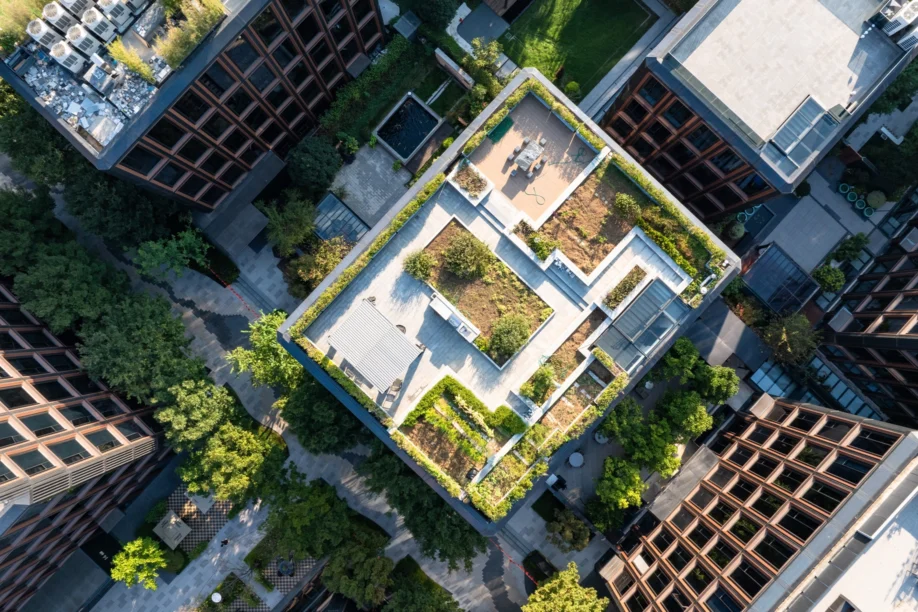
We’re seeing a shift, in construction and further afield, from minimising impact to maximising impact. From extraction to regeneration. As society moves into this regenerative era, construction will play a huge role in its success: buildings that create cleaner environments; living spaces that transform communities; reusable and recyclable building fabric that binds together the circular economy.
There’s a lot to be hopeful for and optimistic about – but first we need to stay grounded in what we can do every day to take us beyond net zero, and building that into the core of our construction strategies. Because only then can we break new ground, and build a world that’s better for everyone.