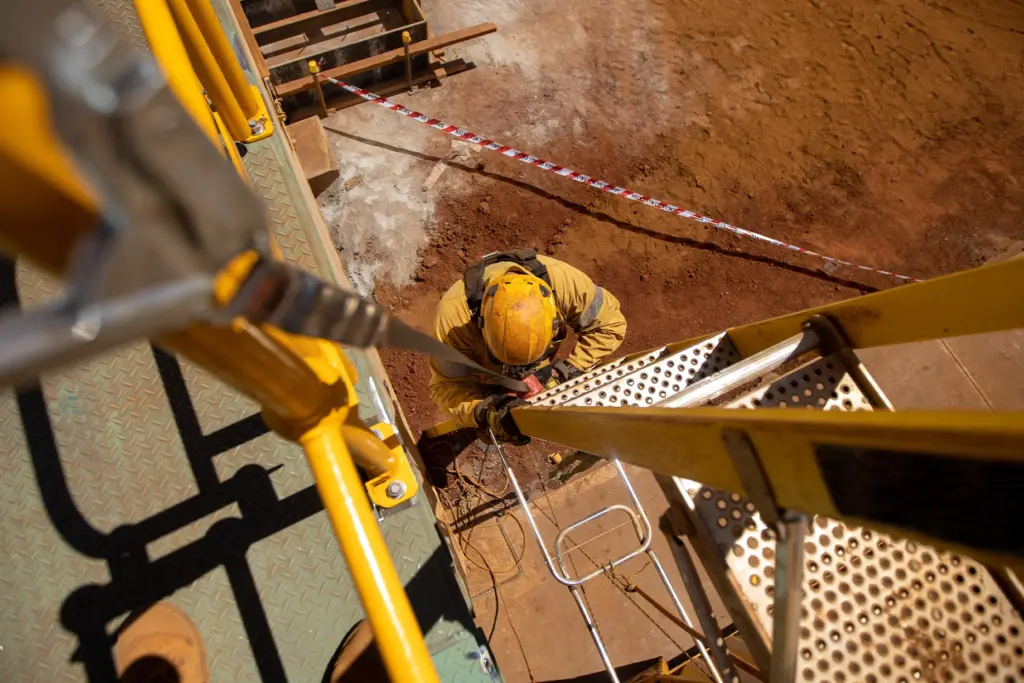

The future of workplace safety.
How can you turn workplace safety into a real commercial advantage?
Some businesses talk about safety, others are using it to build market position.
Workplace safety has slowly become one of the most commercially significant issues a business can get right, or at times, get wrong. Regulation, ESG scrutiny, workforce expectations and the very real cost of disruption are changing how organisations think about risk, reputation and what it actually means to operate responsibly.
The pressure is real but so is the opportunity. Partners, insurers and customers are paying closer attention to how seriously a business takes the wellbeing of its people. And organisations that can show safety leadership are finding it opens doors that a strong capability statement alone cannot.
As a workplace safety marketing agency, Wyatt works with the businesses leading the way, helping them think clearly about where they stand, who they’re talking to, and how to build a brand that reflects the seriousness of what they do.
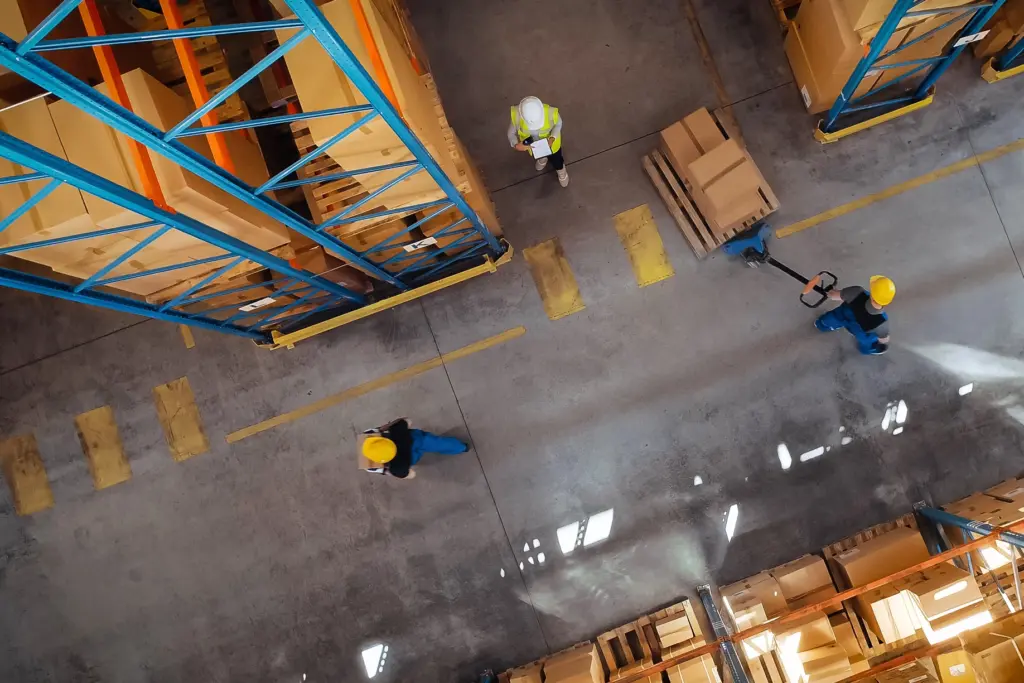
Forces shaping the future of workplace safety.
Key challenges of the future of workplace safety.
The difference technology and innovation are making.
Strategic implications of the future of workplace safety.
What does the future of workplace safety look like?
FAQs
Battery technology marketing shows battery-powered solutions as credible, commercially viable alternatives to fossil-fuelled systems. It really builds buyer confidence through clear messaging, real-world proof points and sector-specific content that makes people want to switch.
Differentiation comes from clarity, not capability. Battery brands that define a specific problem they solve, back it up with real-world proof and speak directly to sector-specific buyer concerns will stand out in a market where too many brands sound the same.
Battery power is already replacing diesel and petrol across fleets, construction sites, parks and gardens, warehouses and industrial operations. And it’s clear why, especially with lower fuel costs, reduced maintenance, better uptime and access to environments where fossil-fuelled equipment can’t easily reach.
At the moment, the strongest commercial opportunity is in construction, logistics, commercial fleets, grounds maintenance, warehousing, utilities, temporary power and public-sector operations.
The best way is to move beyond sustainability claims and lead with commercial outcomes. Buyers need real-world case studies, clear ROI evidence and sector-specific content that answers practical questions around runtime, cost, safety and service before they’ll commit to switching.
In our experience, the best content answers real buyer questions. For example, use-case studies, total cost of ownership comparisons, sector-specific guides and performance proof points. The most effective content builds confidence in the switching decision rather than simply promoting the technology itself.
The short answer is by grounding every claim in measurable, verifiable outcomes. Specific emissions reductions, documented fuel savings and independently evidenced performance data carry far more credibility than broad sustainability language.
The main reason is that the market is crowding fast. Strong positioning ensures buyers understand exactly what problem you solve, who you solve it for and why you’re the credible choice. Without it, even the strongest technology risks becoming indistinguishable from the competition.