
The future of warehousing.
What will the next-generation of logistics infrastructure look like?
Warehousing is pivotal in logistics, automation, ecommerce and supply chain resilience.
Today’s fulfilment centres are complex, technology-driven operations that sit at the heart of how businesses serve their customers and manage their supply chains. There’s a real sense of pressure on capacity, labour, automation and energy costs in the sector. On the flip side, this is a real opportunity for the businesses designing, building and operating the next generation of logistics infrastructure.
Warehousing now sits at the heart of competitive strategy as customers expect faster delivery, greater accuracy, and seamless returns. It means that businesses that invest in smarter warehouse operations can gain a real-world edge.
As a warehousing and logistics marketing agency, Wyatt works with the businesses leading this change. Our teams help them think clearly about where they stand, who they’re talking to, and how to build a brand that reflects the scale of what they want to achieve.
Forces shaping the industry.
The challenges facing warehousing.
What technology and innovation is defining the industry?
The strategic implications of the future of warehousing.
What does the future look like for warehousing?
FAQs
Warehousing is becoming more automated, more data-driven, and more strategically important. Energy efficiency and location decisions are increasingly shaping investment, and the businesses building for that future now will be best placed to make the most of it.
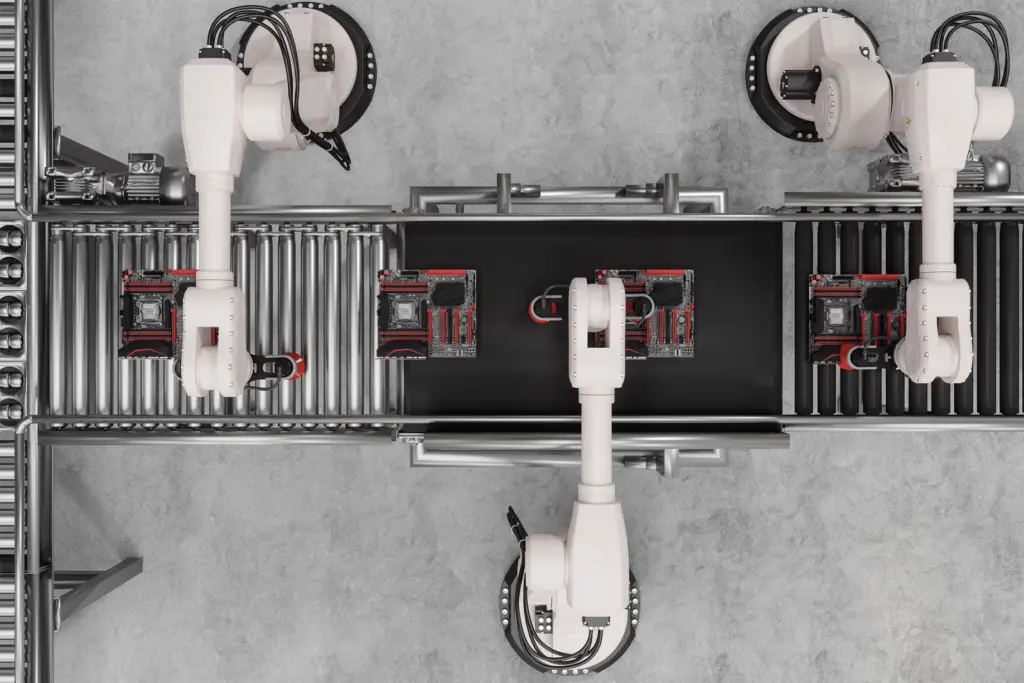
Warehouse automation is making operations faster, more accurate and less reliant on manual labour. Automation is also raising customer expectations around speed and reliability, which means businesses that are slow to adopt risk falling behind the rest.
In our experience, they need to talk less about what they do and more about what it means for their customers. The strongest logistics brands make a clear connection between their operational capability and the business outcomes they deliver for the people they work with.
Robotics, automated picking, warehouse management systems and AI-driven forecasting are all gaining ground. Energy-efficient design is also becoming a bigger priority as cost and sustainability pressures increase across the sector.
Warehousing is important because it’s where businesses absorb disruption and maintain continuity. Good warehousing gives companies the flexibility to respond when demand shifts, supply is disrupted or delivery expectations change.