Warehousing is now a strategic growth engine
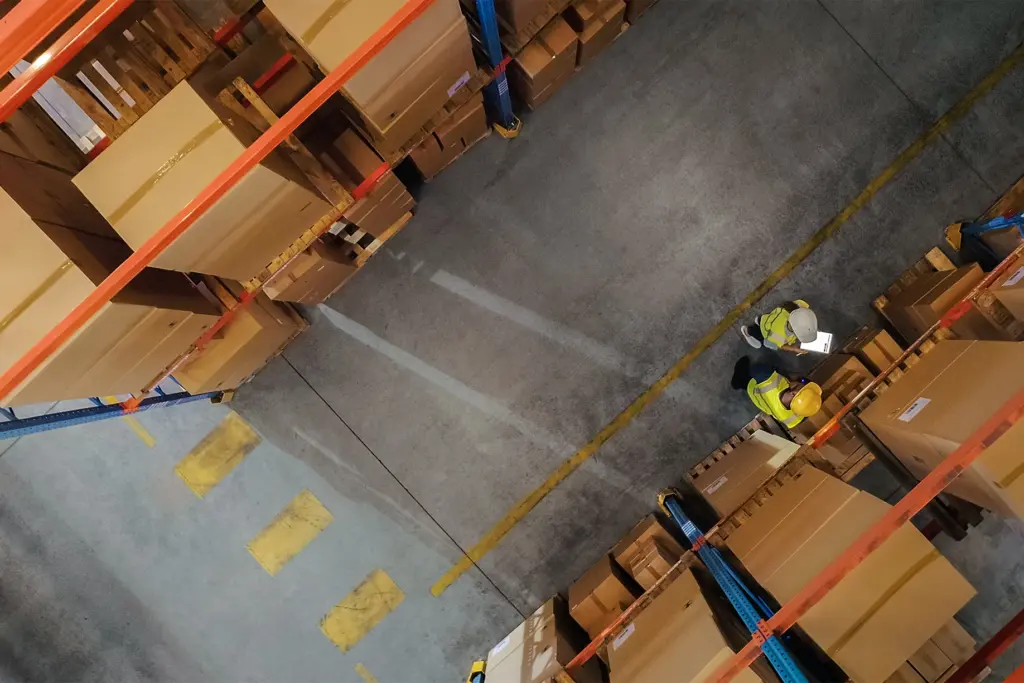
In essence, warehousing is now infrastructure, and this change of narrative sets how fast a brand can deliver, how well it cope when something goes wrong, and how much they can grow before things start to break.
The shift has been quick, and the numbers behind it are huge. In the UK alone, logistics contributes around £185 billion to the economy each year and supports more than 2.7 million jobs, and warehouse floor space across the country passed 670 million square feet in 2025, according to the UK Warehousing Association.
Britain is just one corner of a global surge. The worldwide warehousing and storage market was worth around 540 billion US dollars in 2025, and the same forces are reshaping it everywhere, as e-commerce, faster delivery and the drive for supply-chain resilience push demand for space and automation across Europe, North America and a fast-growing Asia-Pacific. The UK is not an outlier in this story. It is a leading example of a shift happening across every major economy.
But the scale isn’t the only interesting part, it’s the job the warehouse is now expected to do. In the UK, e-commerce accounts for around a quarter of all retail sales, well ahead of the global average of roughly one in five, and customers treat next-day delivery as the norm. That has made the warehouse the thing the whole commercial model rests on. And it’s not a British phenomenon. Across Europe, North America and Asia-Pacific, the same rise in online shopping and the same appetite for speed are placing the same demands on warehousing, turning it into critical infrastructure wherever goods need to move quickly.
One recent market analysis put it well, describing how the warehouse has evolved from a simple storage space into the high-tech engine room of the modern economy. It’s an accurate description of where the value now sits, and it changes who cares about warehousing, and why, in every major market, not just the UK.
Telling the right warehousing story in the right way
The language of storage has become a real commercial liability, because as a warehouse brand, if your pitch is square footage and cost per pallet, you’re selling a commodity, and the only lever anyone has left to pull is price.
But the conversations that actually matter are happening elsewhere in the client’s building. The commercial director is worrying about whether the business can handle the next busy season. The customer experience lead is looking at a rising pile of delivery complaints. The finance director is watching prime logistics rents, which climbed more than 12% across 2024 and 2025, and bracing for a business rates revaluation landing on the sector this year.
None of those people are thinking about racking. They’re thinking about growth, risk and customers, and warehousing marketing that only speaks the language of storage will never reach them.
The market itself is speaking loud and clear
Around 70% of all warehouse space leased in 2025 was for new, modern units as occupiers wanted buildings that could support serious automation and meet tighter energy standards, while older premises were left behind. Such data could suggest that buyers aren’t looking for somewhere to put things any more – they’re looking for a facility that will actually do something for their business.
So what should the story be for a warehousing brand? Here are three arguments that could work:
1. Supporting a client’s growth.
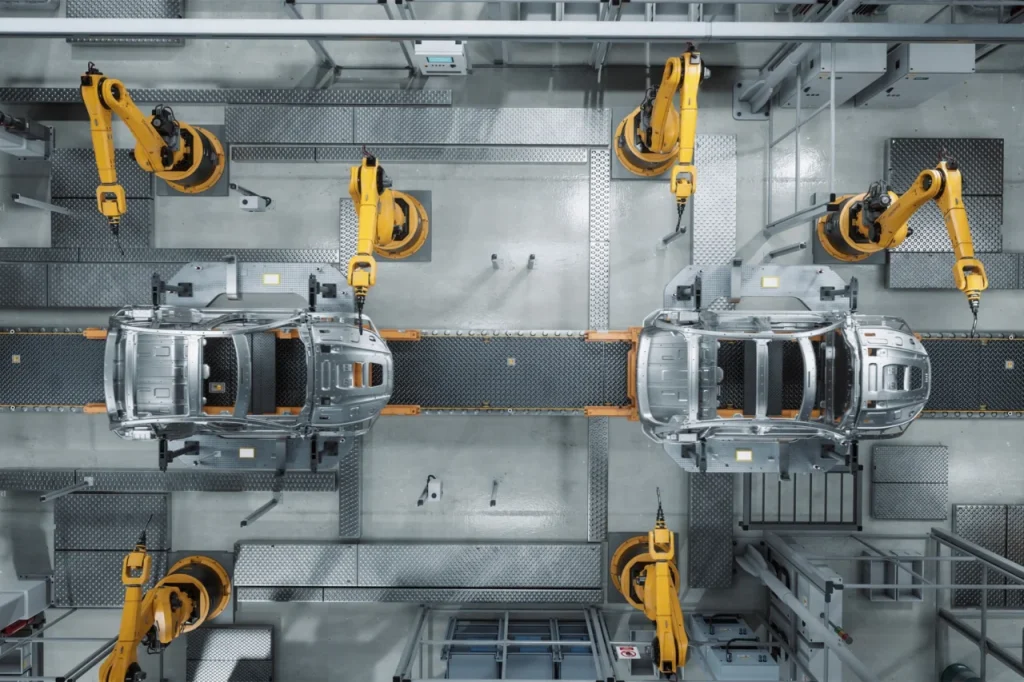
Growth always seems to be undersold. A well-run, well-automated warehouse is what lets a business take on more orders, add channels, expand into new markets and say yes to the customer it would otherwise have had to turn away. Automated picking can lift productivity several times over compared with manual operations, and robotics and AI are now delivering payback in under three years. That isn’t a saving, it’s headroom, and headroom is a far better thing to sell than a lower cost per pallet.
2. Built-in resilience.
Supply chains waver, demand spikes, and the labour simply isn’t there when you need it, with the UK logistics sector short of an estimated 70,000 workers in 2025 and wage pressure still rising. A warehouse with real visibility, flexible automation and good data can absorb those shocks. Automation is increasingly being framed as a safety net against labour volatility rather than just about costs. Plus, newer commercial models make that easier to buy into, with robotics now available as a service, turning a daunting capital purchase into an operating cost you can scale up for peak and back down again afterwards.
3. Building customer trust.
The third argument is the one most warehousing brands miss entirely, and it might be the most powerful. Every promise a business makes to its customers about speed, accuracy and returns is kept or broken in the warehouse. Get it right and you build incredible loyalty. Get it wrong and no amount of clever work at the front end will save you, because the customer doesn’t care whose fault the late delivery was, they just know who they ordered from. Last-mile delivery can account for over half of total delivery costs, so what happens upstream in the warehouse feeds directly into both margin and reputation. Viewed through that lens, warehousing becomes the operational backbone of the customer experience.
A change to the brand storytelling – lean into commercial outcomes.
None of this means the technical detail stops mattering, but it does mean the sequence has to change.
Here are a couple of angles that could be used:
- Perhaps you could lead with the commercial outcome rather than the specification, because a buyer doesn’t want a taller racking system, they want to fulfil more orders without adding a shift.
- Talk about what their business will be able to do, not what your equipment is able to do.
- Remember, too, that these decisions have moved up the organisation, and the people signing off major automation now weigh it as a strategic business decision, so pitch to them in the language of growth, risk and retention. Then prove it, with real numbers to back it all up.
And finally…take the opportunity
Warehousing has become critical infrastructure, sitting in the same category as power and connectivity, the thing that simply has to work for everything else to work. That’s an enormous opportunity for any warehousing brand working in the sector. The businesses investing here aren’t really buying automation at all. They’re buying the ability to grow without breaking, to take a hit without losing customers, and to keep the promises their brand has already made.
Let’s talk about how to reposition your warehousing story around what it really delivers across growth, resilience and the customer experience.